What to Bring to Your Emergency Dentist Ventura Visit


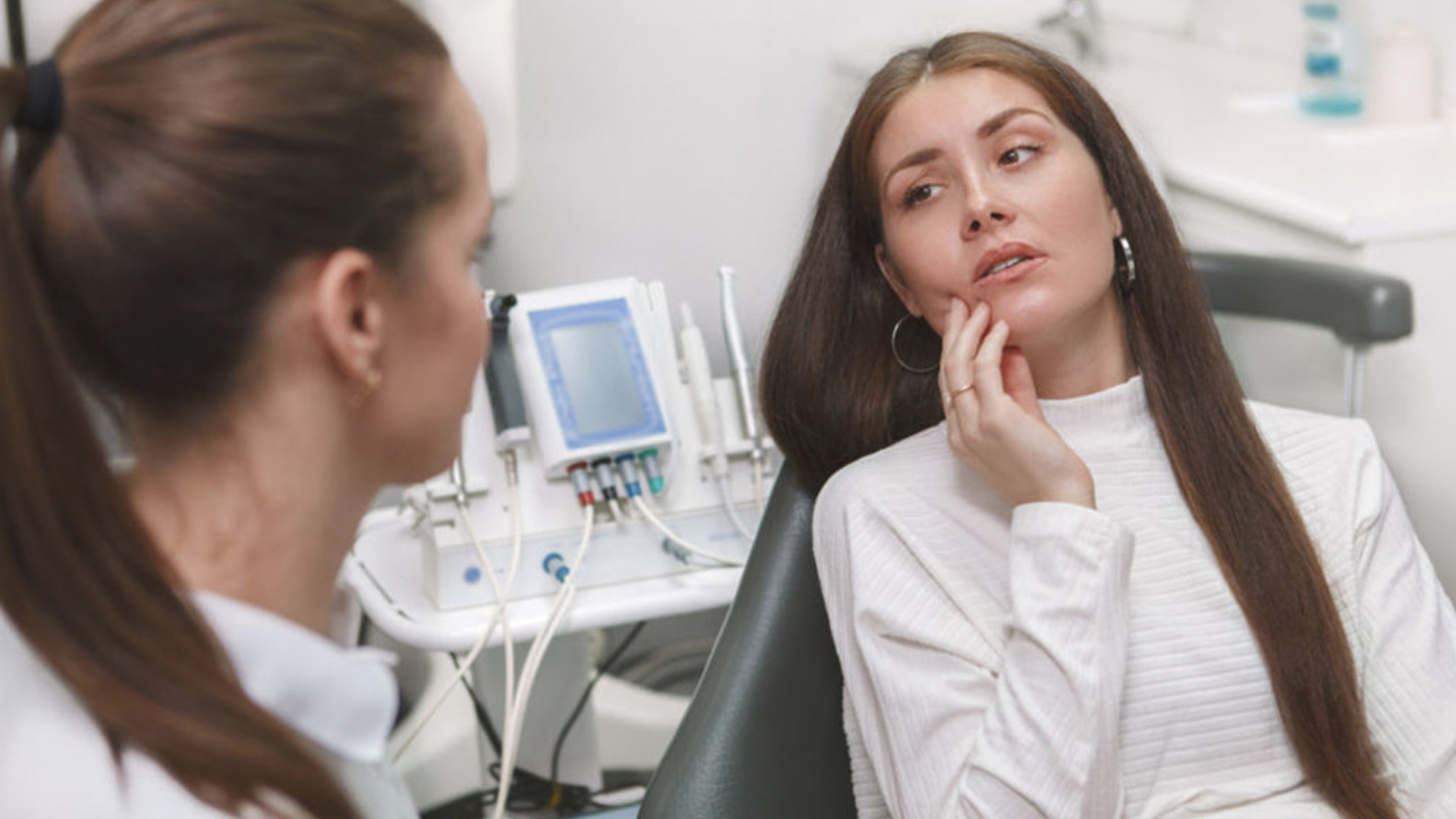
A dental emergency has a way of scrambling your thinking. One minute you are eating lunch or getting ready for work, the next you are pressing a clean towel to your mouth, trying to decide whether the pain can wait. In that moment, most people focus on one question only: how fast can I get seen?
Speed matters, but so does preparation. If you are headed to an Emergency Dentist Ventura office, the right items can make check-in smoother, help the clinical team treat you faster, and reduce the chance of delays when you are already uncomfortable. I have seen patients arrive with everything they needed and move through the visit with far less friction. I have also seen the opposite, where missing insurance details, forgotten medications, or an unprotected broken tooth added stress to an already rough day.
The good news is that you do not need a packed bag or a long checklist. You need a few practical things, gathered quickly and thoughtfully, based on the kind of dental emergency you are having.
Start with the basics that speed up treatment
When a front desk team is trying to move an emergency patient into care, there are a few details they need right away. Your identification is one of them. Bring a government-issued photo ID if you have it readily available. If you are bringing a child, bring your own ID and any documents the office may need to confirm guardianship if that applies to your situation. Most of the time, a parent or legal guardian checking in with the child is enough, but unusual custody situations can slow things down if the office cannot verify who can authorize treatment.
Insurance information is the next big one. A physical insurance card helps, but a clear photo of the front and back on your phone usually works if you cannot find the card in time. If you do not have dental insurance, do not let that stop you from seeking emergency care. Still, bring a credit card, health savings account card, flexible spending card, or another form of payment if possible. Many emergency visits involve an exam and X-rays first, followed by treatment decisions. Knowing how you will handle payment removes one layer of uncertainty.
Your phone matters more than people realize. It likely contains your ID images, insurance information, medication list, emergency contact numbers, and even photos of the injury if swelling or bleeding looked different earlier. Charge it if you can during the ride, especially if someone else is driving you.
The medical details your dentist needs, even if the problem seems purely dental
A toothache feels local, but emergency dental care is never just about the tooth. Your dentist needs to know your current medications, allergies, and relevant health conditions before recommending anesthetic, antibiotics, pain control, or a procedure.
If you take blood thinners, that is critical information. The same goes for diabetes medications, blood pressure medications, immune-suppressing drugs, osteoporosis medications, and any recent steroid use. A short, accurate medication list is often more useful than trying to remember everything while you are in pain. If you have the actual prescription bottles nearby and can grab them, that works too, though it is not always practical during an urgent situation.
Allergies should be stated plainly, especially allergies to penicillin, latex, certain pain medications, or adhesive materials. Patients sometimes say they are “sensitive” when they really mean they had nausea once years ago. That distinction matters. True allergies can change the treatment plan. Side effects matter too, but they are not the same thing, and your Emergency Dentist Ventura team will usually ask follow-up questions.
If you have had recent dental work, bring that information if it is easy to access. A crown placed last month, a root canal started last week, or a wisdom tooth extraction that is now bleeding can shape the clinical decision. Even the name of your regular dentist and the date of your last appointment can help.
If something broke, save every piece you can find
Broken teeth, lost fillings, dislodged crowns, cracked veneers, and snapped dentures often look less repairable than they really are. I have seen tiny fragments make a difference, especially when the dentist is trying to evaluate how the bite fit before the break or whether a restoration can be re-cemented temporarily.
If you can safely recover the piece, bring it with you. Wrap it in clean gauze or place it in a small container. A clean pill bottle, contact lens case, or sealed plastic bag can work in a pinch. Do not scrub it aggressively. Do not use household glue. Do not try to fit sharp fragments back into place if they could be swallowed or inhaled.
Crowns are a common example. Patients often assume a lost crown is useless once it comes off, but if the crown is intact and the underlying tooth is still serviceable, it may help the dentist assess what failed and whether a short-term fix is possible. The same is true for a fractured night guard or partial denture. Bring it, even if it looks ruined.
For chipped teeth, especially front teeth, small fragments can sometimes help confirm the fracture pattern. That does not guarantee they can be bonded back on, but it gives the dentist more information than a bare description over the phone.
If a tooth gets knocked out, timing and transport matter
A knocked-out permanent tooth is one of the few true race-the-clock dental emergencies. When handled correctly and brought in quickly, some teeth can be replanted. When handled poorly, the odds drop fast.
Here is the short version of what to bring and how to bring it if you are on the way to an Emergency Dentist Ventura appointment for an avulsed tooth:
- Bring the whole tooth if you found it, holding it by the crown, not the root.
- If the tooth is dirty, rinse it gently with milk or saline, not soap, and do not scrub.
- Transport it in milk, saline, or a tooth preservation solution if you have one.
- Bring a clean cloth or gauze for bleeding control during the trip.
- Get to the office as quickly as possible, because minutes matter.
This is one of those situations where preparation directly affects outcome. If the tooth is a baby tooth, do not try to put it back into the socket. Bring the child in for evaluation anyway, because trauma to baby teeth can affect the developing adult tooth underneath, and lip or gum injuries often need attention too.
Pain changes memory, so write down what happened
People in pain often give incomplete histories without meaning to. The timeline gets muddy. The symptoms blur together. One of the smartest things you can bring is a short note on your phone that answers three questions: when did it start, what makes it worse, and what have you already taken or tried?
That note can be brief. “Bottom right tooth started throbbing last night around 10 p.m. Worse with cold water and biting. Took 400 mg ibuprofen at 6 a.m. And again at 10 a.m. No swelling yesterday, swelling started this morning.” That kind of detail helps the dentist narrow the likely cause much faster than “it hurts really bad.”
If the issue followed trauma, note the time of the accident, whether there was any loss of consciousness, and whether the jaw now feels off when you bite. If you were hit in the face, a dentist may still treat the teeth and soft tissues, but signs of concussion, facial fracture, or uncontrolled bleeding can change the urgency and may require medical care beyond dentistry.
Photos can also help. Swelling often looks different an hour later than it did at home. If there was heavy bleeding, a displaced tooth, or a sudden change in facial symmetry, a photo taken before the swelling shifted can be surprisingly useful.
Bring the right comfort items, but keep it simple
Most emergency dental visits are not long enough to justify packing a full overnight-style bag. Still, a few comfort items can make the trip easier, especially if you are bringing a child, traveling from another part of Ventura County, or expecting that the appointment may involve waiting for imaging, numbness to take effect, or treatment planning.
A light sweater is worth considering because treatment rooms can feel cool when you are sitting still and stressed. Lip balm is a small thing that patients appreciate more than they expect, especially if they have been mouth breathing because of pain or swelling. Tissues are useful for watery eyes, a runny nose, or blotting around the mouth after trauma.
If you wear contact lenses and your eyes are irritated from crying or an injury, bring your glasses if they are nearby. If you have hearing aids, keep them in unless the staff asks otherwise, because communication during an emergency visit is important and details can be missed when someone is already overwhelmed.
Parents should bring one quiet distraction item for a child, not a whole tote of options. A favorite small toy, headphones, or a tablet can help during the wait. Snacks are trickier. Many dental emergencies involve pain with chewing, possible sedation instructions, or a numb mouth afterward, so it is usually better to wait and ask the office before offering food.
What not to forget if swelling or infection is involved
Dental infections are unpredictable. Some stay localized and miserable but manageable. Others spread fast enough to affect swallowing, breathing, or facial spaces that should never be ignored. If you are going in because of swelling, fever, a bad taste in the mouth, or pain that seems to pulse through the jaw and face, bring enough information to help the dentist assess risk quickly.
Your temperature, if you took it, is worth noting. So is whether the swelling grew over a few hours or over several days. If you have trouble opening your mouth, mention that. If swallowing hurts, say so immediately. If breathing feels tight, that is not a routine dental complaint, and you should seek urgent medical care right away.
Many patients take leftover antibiotics before calling a dentist. Bring the bottle if you did. That includes antibiotics from an old dental visit, an urgent care appointment, or even medication borrowed from someone else, which happens more often than it should. Dentists need to know what you took, when you took it, and whether it changed anything. Partial or inappropriate antibiotic use can muddy the picture without solving the underlying problem.
Sedation changes what you need to bring
Not every emergency dental visit involves sedation. Many are handled with local anesthetic, and patients drive themselves home without a problem. But if the office tells you there is a good chance you may receive oral sedation or another sedating medication, your preparation changes.
Bring a responsible adult who can drive you home and stay with you if the office instructs that. Rideshare services usually do not count as a substitute if you are sedated, because staff need to discharge you to an actual responsible person. If the office gave you written instructions about fasting, medications, or arrival time, bring those or pull them up on your phone so you can confirm you followed them correctly.
Jewelry and cosmetics are usually not major issues for standard dental emergency care, but heavy lipstick can interfere with assessing lip injuries, and extensive facial piercings may occasionally complicate imaging or access depending on the treatment needed. It is not something to panic over, just something to be aware of.
If you use a CPAP machine and have severe sleep apnea, mention it. It may not affect that day’s treatment, but sedation decisions are safer when the team has the full picture.
Special considerations for children, older adults, and caregivers
Emergency dental visits look different across age groups. A child with a playground injury may need comfort, distraction, and quick details about tetanus status or the exact timing of the fall. An older adult with a broken denture may also have dry mouth from medications, a complex medical history, and transportation challenges that affect care planning.
Caregivers should bring any consent documents, medication lists, and relevant medical information they already maintain. If the patient has memory impairment, hearing loss, speech limitations, or developmental differences, tell the office at check-in in straightforward terms. That gives the team a chance to adjust communication, pacing, and treatment explanations.
For seniors, bring current dentures, partials, or appliance cases if those are part of the problem. If the emergency involves mouth sores under a denture, the dentist often needs to see both the tissue and the prosthesis to understand the source of pressure or rubbing. It is surprising how many people leave the denture at home because it hurts to wear, then arrive without the one item the dentist most needs to inspect.
A practical grab-and-go set for most emergencies
If you are trying to get out the door fast and do not want to overthink it, this short list covers most situations:
- Photo ID and dental insurance card, or clear photos of both.
- A list of medications, allergies, and major medical conditions.
- Any broken tooth fragments, crowns, fillings, or dental appliances in a clean container.
- Your phone, charger, and a payment method.
- A trusted driver or support person if pain, swelling, or sedation may make travel unsafe.
That is enough for most same-day dental emergencies. The rest depends on the type of injury and what the office told you on the phone.
A few mistakes that create problems on arrival
Some of the most common missteps are easy to avoid. People often take far more pain medicine than recommended because the pain feels unbearable. Then they cannot remember what they took or when. Write it down. The dentist does not need your best estimate, they need the closest thing to an exact record.
Another common mistake is applying aspirin directly to the gums or the aching tooth. Patients still do this, and it can burn the tissue without helping the source of the pain. Clove oil, alcohol rinses, and assorted home remedies can create a mess too. If you used something, be honest about it. Dentists are not interested in scolding you, they just need to know what they are looking at.
Patients also underestimate how often jaw injuries involve more than teeth. If your bite suddenly feels crooked after trauma, if you cannot open fully, or if the lower jaw shifts when you try to close, mention it right away. That can signal a more complex injury than a chipped tooth.
Finally, do not leave valuables loose in your lap or jacket pockets if there is any chance you may be reclined quickly for treatment. It sounds minor until a patient spends ten anxious minutes searching for a ring, wallet, or earbud while holding gauze to a bleeding extraction site.
Why being prepared helps more than you think
An emergency dental visit is rarely calm at the start. People arrive in pain, embarrassed, frightened, or simply frustrated that a small issue became a major interruption. Good preparation will not erase that, but it gives the clinical team what they need to move from uncertainty to treatment.
The office can confirm your identity, review your health history, evaluate your X-rays, and make safer decisions when your information is complete. If you brought the broken crown, the medication list, the name of the antibiotic you started, and the note showing when the pain spiked, the visit becomes more efficient. That matters when every minute feels longer because your mouth hurts.
For anyone searching for an Emergency Dentist Ventura provider, the practical goal is simple: arrive with what helps the dentist act, not guess. Bring your identification, your medical information, your damaged dental pieces if you have them, and a clear account of what happened. If sedation may be involved, bring a driver. If a tooth was knocked out, protect it properly and move quickly.
https://israelmrdj973.unionquill.com/posts/emergency-dentist-ventura-care-for-cracked-crowns-and-bridgesThose few steps can make the difference between a chaotic appointment and one that gets to the point fast, which is exactly what most people need when dental pain stops being an inconvenience and becomes an emergency.
Avra Dental
1708 S Victoria Ave B, Ventura, CA 93003, United States
Phone: +1 805-765-3206
FAQ About Emergency Dentist Ventura
Can the ER do anything for tooth pain?
An emergency department can assess serious symptoms and provide temporary relief, but definitive dental treatment usually requires a dentist. Trouble breathing or swallowing, uncontrolled bleeding, or swelling spreading into the neck requires emergency medical care.
What do I do if I have a dental emergency and no dentist?
Contact a local emergency dental practice promptly, explain your symptoms, and ask about the earliest available assessment. Avra Dental provides emergency dentistry in Ventura; call to confirm availability. If you have life-threatening symptoms or a serious facial injury, go to an emergency department or call 911.
What do I do if tooth pain is unbearable?
Seek urgent dental assessment rather than waiting for the pain to pass. While arranging care, gently rinse with warm water and avoid placing aspirin directly on the tooth or gums. Severe pain with trouble breathing or swallowing, rapidly spreading swelling, or uncontrolled bleeding needs immediate emergency medical care.