The Patient’s Guide to Periodontal Treatment Ventura

Gum disease rarely starts with drama. Most people notice a little bleeding when they brush, a bit of tenderness near the back molars, or a lingering bad taste they cannot quite explain. Life is busy, so it gets pushed aside. Then, slowly, the signs become harder to ignore. The gums look puffy. Teeth feel slightly different when biting down. Cleanings become more uncomfortable than they used to be. By the time many patients begin looking into Periodontal Treatment Ventura, they are not only worried about their gums, they are also worried about losing teeth, facing painful procedures, or hearing that the problem has gone too far.
The good news is that periodontal disease is treatable, and many cases respond well when addressed early and managed consistently. The better news is that treatment is usually far less mysterious than patients imagine. Once you understand what periodontists and general dentists are looking for, what different therapies are meant to accomplish, and what recovery really feels like, the process becomes much less intimidating.
This guide is meant to help you read the situation clearly. Not every patient needs surgery. Not every deep cleaning means severe disease. Not every sore gum line is a crisis. But persistent inflammation deserves real attention, because gums do not simply hold teeth in place. They support the bone and ligament structures that keep your bite stable and your mouth functional over time.
What periodontal disease actually is
Periodontal disease is an infection and inflammatory condition affecting the tissues that surround and support the teeth. It begins with plaque, a sticky film of bacteria that forms continuously on the teeth and along the gumline. If plaque is not removed thoroughly, it hardens into tartar, also called calculus, which cannot be brushed away at home. That rough buildup gives bacteria more surfaces to cling to, and the gums react.
In the earliest stage, called gingivitis, the gums may bleed, look redder than usual, or feel swollen. At this point, the bone supporting the teeth has not yet been destroyed, and treatment is often straightforward. Once the inflammation progresses deeper, the condition becomes periodontitis. Now the attachment between tooth and gum begins to break down, creating pockets where bacteria can gather below the gumline. Over time, this process can damage the bone and connective tissues that keep teeth secure.
One of the reasons periodontal disease catches people off guard is that it often hurts less than they expect. Cavities can cause sharp pain. Gum disease is often quieter. Some patients have advanced bone loss with surprisingly little discomfort. Others feel heaviness, soreness, or notice gum recession before they realize anything more serious is happening.
Why Ventura patients often ask the same first question
The first question is usually simple: “Can https://dominickzyms605.oakmontscope.com/posts/questions-to-ask-before-starting-periodontal-treatment-in-ventura this be reversed?”
The answer depends on the stage. Gingivitis can often be reversed with professional cleaning and improved home care. Periodontitis cannot be fully reversed in the sense of restoring the tissues to their original state without any loss, but it can often be controlled effectively. The goal becomes stopping active disease, reducing pocket depths where possible, preserving bone, and maintaining the teeth in a healthy, stable condition for the long term.
That distinction matters because patients sometimes delay care when they hear the word “disease” and assume the outcome is fixed. It is not. In real practice, periodontal treatment is often less about one dramatic procedure and more about careful control of infection over time. A patient with moderate periodontitis who commits to treatment and maintenance may keep their teeth for many years. A patient with milder disease who avoids care may progress faster than expected.
How gum disease is diagnosed
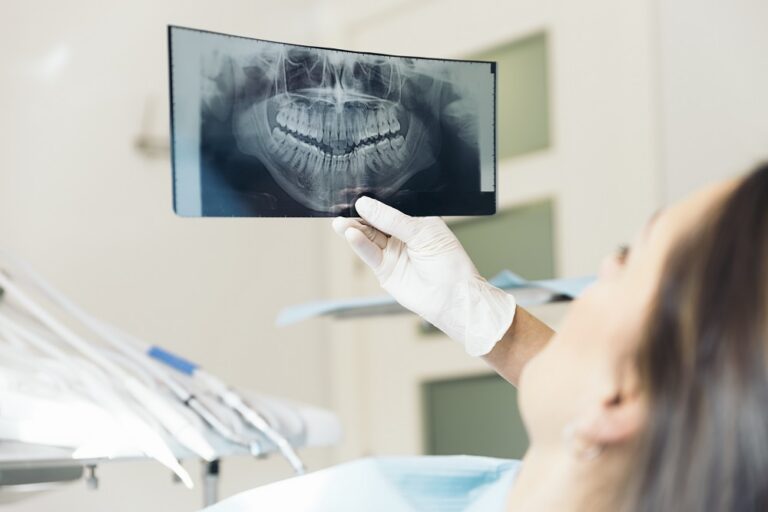
A proper periodontal evaluation is more detailed than a standard quick glance around the mouth. Your dentist or periodontist will usually examine the gums visually, assess bleeding, measure pocket depths around each tooth, check for gum recession, look for areas of mobility, and evaluate X rays for signs of bone loss.
Pocket measurements are especially important. In a healthy mouth, the space between the tooth and gum is shallow and easier to keep clean. As disease advances, that space deepens. A probe, which is a thin measuring instrument, is gently inserted around each tooth to record the depth in millimeters. Numbers matter here, but they are not the whole story. A four millimeter pocket with bleeding can be more concerning than a similar number without inflammation, depending on the full picture.
Radiographs help show bone levels around the roots. They do not reveal every detail of gum tissue condition, but they are critical for understanding how much structural support has been lost. If a patient has old X rays available, comparing past and current images can show whether the condition has been stable or actively progressing.
Medical history also plays a larger role than many people expect. Smoking, diabetes, dry mouth, certain medications, hormonal changes, clenching and grinding, and immune system conditions can all influence gum health and treatment response.
The signs that should not be brushed off
Patients often normalize symptoms that deserve professional attention. Some are subtle, especially in the beginning.
- Bleeding when brushing or flossing that happens repeatedly, not just once
- Persistent bad breath or a bad taste that returns soon after cleaning
- Gums pulling away from teeth, making teeth look longer
- Teeth that feel loose, shifted, or different when you bite
- Tender, swollen, or shiny gums that do not settle down within days
A single episode of irritation after eating something hard is one thing. Ongoing bleeding or swelling is another. Healthy gums can be sensitive, but they generally do not bleed habitually under ordinary brushing and flossing.
What “deep cleaning” really means
One of the most common periodontal treatments is scaling and root planing, often called a deep cleaning. Patients sometimes hear the phrase and imagine something aggressive or unusual. In reality, it is a targeted cleaning procedure designed to remove plaque, tartar, and bacterial toxins from above and below the gumline, especially in areas that a regular cleaning cannot adequately address.
Scaling refers to removing deposits from the tooth surfaces and root areas. Root planing smooths the root surfaces to make it harder for bacteria to reattach and easier for the gum tissue to heal against the tooth. Local anesthetic is often used so the procedure is comfortable, particularly when deeper pockets are present.
This is not merely a “better cleaning.” It is treatment for infection below the gumline. That difference matters. A regular prophylaxis cleaning is intended for mouths without active periodontal disease. Deep cleaning addresses disease that has already begun to break down the supporting structures around the teeth.
Patients often ask whether deep cleaning hurts afterward. Most people experience soreness rather than severe pain. The gums may feel tender for a few days, especially when eating crunchy foods or brushing near treated areas. Some temporary sensitivity to cold can also happen if inflamed tissue shrinks down and exposes more of the tooth surface.
When deep cleaning is enough, and when it is not
A good number of patients improve significantly after scaling and root planing, especially when disease is caught at a mild to moderate stage. Follow up measurements taken several weeks later often show reduced bleeding and shallower pockets. In these cases, the treatment may be followed by periodontal maintenance at regular intervals, often every three or four months rather than every six.
Still, not every mouth responds the same way. Some pockets remain deep despite good effort and good hygiene. Some teeth have difficult root anatomy, such as furcations in molars where roots divide, making thorough cleaning much harder. Some patients have tissue defects or bone patterns that are unlikely to improve fully without surgical access.
That is where judgment becomes important. It is not a failure if additional treatment is recommended after a deep cleaning. It may simply mean the first phase controlled the bacterial burden, but certain areas still need direct access or regenerative support.
Surgical periodontal treatment, in plain language
The word “surgery” tends to frighten people, but periodontal surgery covers a range of procedures, many of which are more manageable than patients expect. The purpose is usually one of three things: to gain access for cleaning and reshaping infected areas, to regenerate lost support where possible, or to improve the gum contour and coverage in areas of recession.
Flap surgery, sometimes called pocket reduction surgery, involves gently lifting the gum tissue to clean deposits and inflamed tissue from deeper areas that cannot be reached effectively otherwise. The tissue is then repositioned to reduce pocket depth and create a cleaner, more maintainable environment.
Bone grafting may be recommended where periodontal disease has caused bone loss. Not every defect can be regenerated, and outcomes depend on the shape of the defect, the tooth involved, the patient’s health, and their home care. But in selected cases, grafting can help support the tooth and improve the architecture around it.
Gum grafting is commonly used when recession exposes root surfaces, creates sensitivity, or leaves the tissue too thin to remain stable. A graft can protect the area and, in some cases, partially or substantially cover the exposed root. The reason is not always cosmetic. Thin, receding tissue can make long term maintenance more difficult and uncomfortable.
Laser treatment is sometimes discussed in the context of periodontal care. Some practices use it as an adjunct to conventional therapy. It can be helpful in selected situations, but it is not magic, and it does not replace sound diagnosis, thorough instrumentation, or disciplined maintenance.
What to expect during recovery
Recovery varies by procedure, but one point surprises many patients: discomfort is often less severe than the anticipation. Deep cleanings usually involve a short period of tenderness and perhaps some sensitivity. Surgical procedures may involve more swelling, dietary restrictions, and a longer healing window, but many patients return to routine activities quickly, especially when they follow instructions carefully.
Soft foods help for the first several days after more involved treatment. Eggs, yogurt, smoothies, soup that is not too hot, fish, oatmeal, and pasta are often easier choices than crusty bread or chips. Smoking slows healing and increases the risk of poor treatment outcomes, so this is one of the moments when patients can make a meaningful difference in their result.
Bleeding after periodontal treatment is usually light and temporary, not dramatic. A little pink in the saliva is common early on. Heavy or persistent bleeding is not. Mild bad breath can occur during healing, particularly if the mouth is dry or brushing has to be modified around a surgical site. That typically improves as healing progresses.
The most difficult part for some patients is not the procedure itself, but the temporary change in routine. Brushing has to be gentler in certain areas. Flossing may be paused or altered based on instructions. Antimicrobial rinses may be prescribed. The key is to follow the actual plan for your mouth, not advice borrowed from a friend who had a different procedure.
Periodontal maintenance is where the long-term success happens
The phrase “maintenance” can sound optional. In periodontal care, it is not. Once a patient has had periodontitis, the mouth remains more vulnerable to recurrence. Even when the gums look much better and the bleeding has stopped, harmful bacteria can recolonize deeper areas. Regular periodontal maintenance visits are intended to catch inflammation early, disrupt bacterial buildup before it becomes destructive again, and monitor pocket depths over time.
This is one place where patient expectations need to be realistic. A successful periodontal case is not one where disease is treated once and forgotten forever. It is one where the condition is brought under control and then kept there. Think of it less like fixing a broken object and more like managing a chronic inflammatory risk. The better the maintenance, the better the odds of preserving teeth.
In many offices providing Periodontal Treatment Ventura, recall intervals are tailored to risk rather than assigned automatically. A non smoker with excellent home care and stable three millimeter pockets may be managed differently from a smoker with diabetes and a history of recurring deep pockets. The calendar matters, but the biology matters more.
Home care matters more than the brand names
Patients often arrive wanting the best toothpaste, the best rinse, or the best electric brush. Those things can help, but technique and consistency usually outweigh product hype. The ideal home care routine is not the most expensive one. It is the one that thoroughly removes plaque every day and is simple enough that you will actually keep doing it.
Brushing at the gumline is critical. Many people clean the visible tooth surfaces reasonably well but miss the narrow zone where the teeth meet the gums. Interdental cleaning also matters, whether that means floss, interdental brushes, soft picks, or another tool recommended for your anatomy. A patient with tightly spaced lower front teeth may need a different approach than someone with bridgework or wider embrasures between teeth.
A practical aftercare routine often includes:
- Taking any prescribed rinse or medication exactly as directed
- Choosing soft, non abrasive foods for the first few days if the gums are sore
- Avoiding smoking, vigorous spitting, or aggressive brushing after surgical treatment
- Using cold compresses early if swelling is expected or present
- Keeping follow up appointments, even if the mouth already feels better
That last point is easy to underestimate. Periodontal improvement is not always something patients can judge accurately at home. A mouth can feel normal while pockets remain active, or a healing area can look odd while progressing exactly as expected.
The connection between gum health and overall health
It is wise to be careful with sweeping medical claims, but the relationship between oral inflammation and overall health is not trivial. Periodontal disease has known associations with systemic conditions, especially diabetes. Poorly controlled blood sugar can worsen periodontal inflammation, and periodontal infection can make glucose control harder. The relationship runs in both directions.
Pregnancy, autoimmune conditions, cardiovascular risk factors, and certain medications can also affect the gums or the body’s response to inflammation. None of this means that treating gum disease cures unrelated conditions. It does mean your mouth is not separate from the rest of your health. A periodontist or dentist who asks about your medical history in detail is not being nosy. They are trying to understand how your biology may influence treatment planning and healing.
Cost, insurance, and why estimates can vary
The cost of periodontal care depends on the diagnosis, the number of affected areas, the complexity of the treatment, and whether specialist care is needed. Deep cleaning for a localized problem costs less than full mouth treatment with surgery, grafting, imaging, and repeated maintenance. Insurance may cover part of the care, but coverage rules differ widely and often lag behind what clinicians consider ideal.
This is one reason treatment estimates can feel confusing. A patient may hear one number for scaling and root planing, another for reevaluation, and different costs again if surgery is later recommended. That does not necessarily mean the office is moving the goalposts. Periodontal treatment is often phased because the tissue response after initial therapy helps determine what is needed next.
If cost is a concern, say so early. Many offices can explain priorities clearly. Sometimes the right approach is to treat the most urgent areas first. Sometimes a staged plan makes more sense than postponing everything.
Choosing the right provider in Ventura
Not every gum problem requires a periodontist, but specialist input can be valuable when pockets are deep, bone loss is present, teeth are becoming mobile, or recession is advanced. A strong general dentist may handle early disease very well and refer when the case crosses into more complex territory. That is a healthy referral pattern, not a sign that something has gone wrong.
When evaluating options for Periodontal Treatment Ventura, look for clear communication more than flashy language. You want a provider who explains the diagnosis in understandable terms, measures and documents findings carefully, takes the time to discuss alternatives, and sets realistic expectations. Good periodontal care is detail oriented. It should not feel rushed or vague.
Patients sometimes ask whether newer technology automatically means better treatment. Not necessarily. Modern tools can be helpful, but the essentials remain careful diagnosis, skilled debridement, good tissue management, and disciplined follow up. A beautifully marketed office is not always a substitute for clinical judgment.
A few situations that deserve special attention
Some cases do not fit neatly into a standard script. A patient with recession but little inflammation may need grafting more than deep cleaning. A patient wearing braces may struggle to control plaque despite excellent effort and need more frequent professional care. Someone with an implant can develop peri implant inflammation, which resembles periodontal disease in some ways but requires its own assessment and management.
There are also patients whose gum problems are driven partly by bite trauma, clenching, or old restorations that trap plaque. In those cases, cleaning alone may not solve the full problem. The best treatment plan may involve coordination between general dentistry, periodontics, orthodontics, or even medical care if systemic factors are contributing.
This is where a careful exam earns its value. Two people can both be told they have “gum disease” while needing very different plans. The label is broad. The details decide the treatment.
What patients usually wish they had known earlier
Most people who go through periodontal treatment say some version of the same thing afterward: they wish they had dealt with it sooner. Not because the treatment was terrible, but because the waiting added stress and often made the condition worse. Early care tends to be simpler, less invasive, and less expensive. It also offers a better chance of preserving the natural tooth support you still have.
If your gums bleed often, if your teeth seem to be changing position, or if a dentist has mentioned bone loss and you have not followed up, that is worth taking seriously. Gum disease is common, but common does not mean harmless. The mouth can stay functional for a long time while support is quietly being lost.
A thoughtful evaluation, a clear diagnosis, and a realistic plan can change the course of things. That is what good periodontal care is really about. Not perfection, not scare tactics, just protecting the structures that let you chew comfortably, speak clearly, and keep your teeth for as long as possible.
Avra Dental
Address: 1708 S Victoria Ave B, Ventura, CA 93003
Phone number: (805) 941-1001
FAQ About Periodontal Treatment Ventura
Can a dentist get rid of periodontal disease?
A dentist or gum specialist (periodontist) cannot fully cure or reverse advanced periodontal disease (periodontitis), but they can successfully stop its progression and manage the infection.
Is periodontitis very serious?
Yes, periodontitis is a very serious, advanced form of gum disease that destroys the bone and tissues supporting your teeth.
How is stage 2 periodontal disease treated?
Stage 2 periodontal disease (early to moderate periodontitis) is primarily treated with non-surgical deep cleaning procedures like scaling and root planing to remove bacteria and tartar below the gumline.